How Modular Construction Can Speed Up Data Centre Delivery
For a data centre developer, getting capacity online quickly matters.
Once a customer has committed to using a facility, they want their data and equipment operating as soon as possible. That puts pressure on the construction programme. Long delays do not just affect the build. They delay when the facility can start being used.
This is where modular construction can play a practical role.
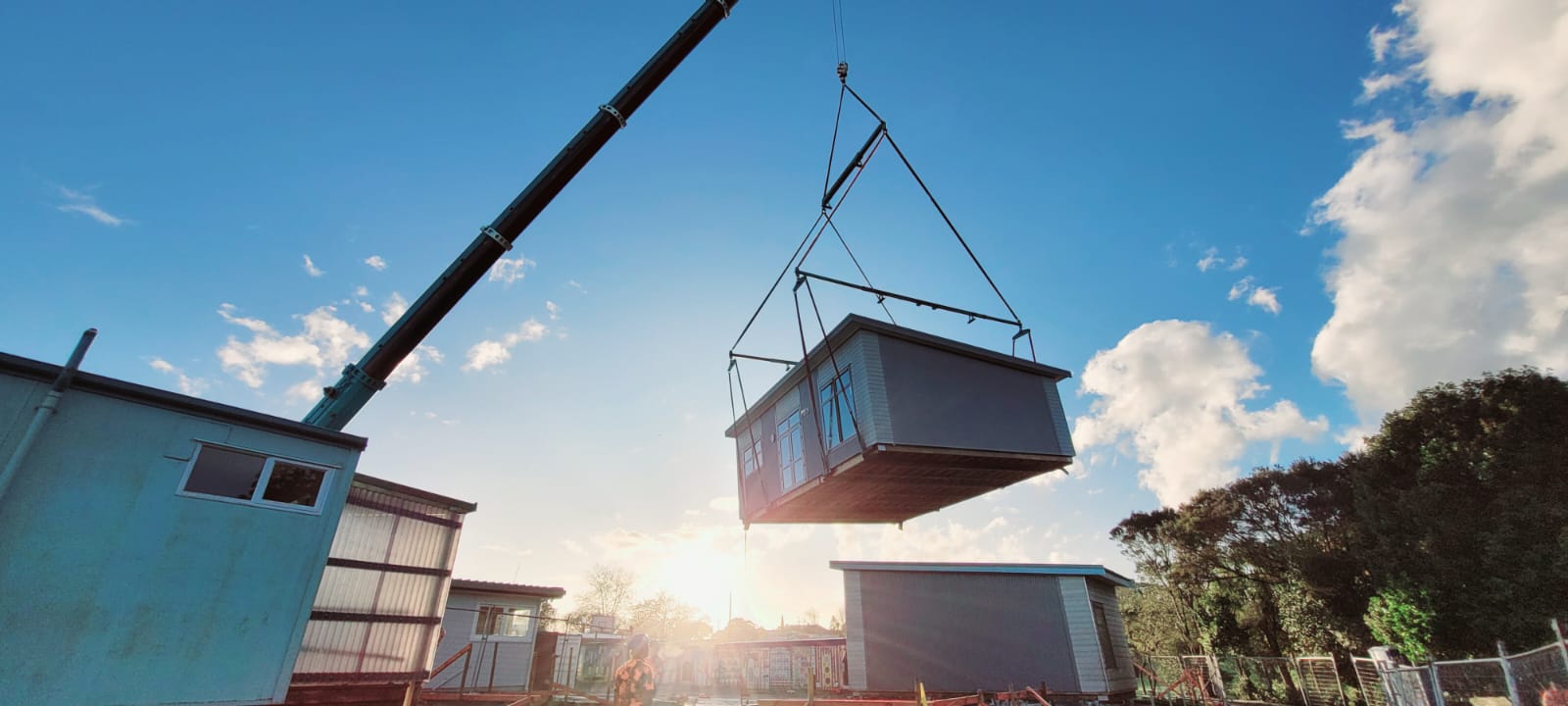
Instead of completing every building and service on-site, parts of a data centre project can be built in a factory while foundations, civil works and other construction continue at the main site.
There are two main ways this can work.
1. Modular buildings can support a larger data centre
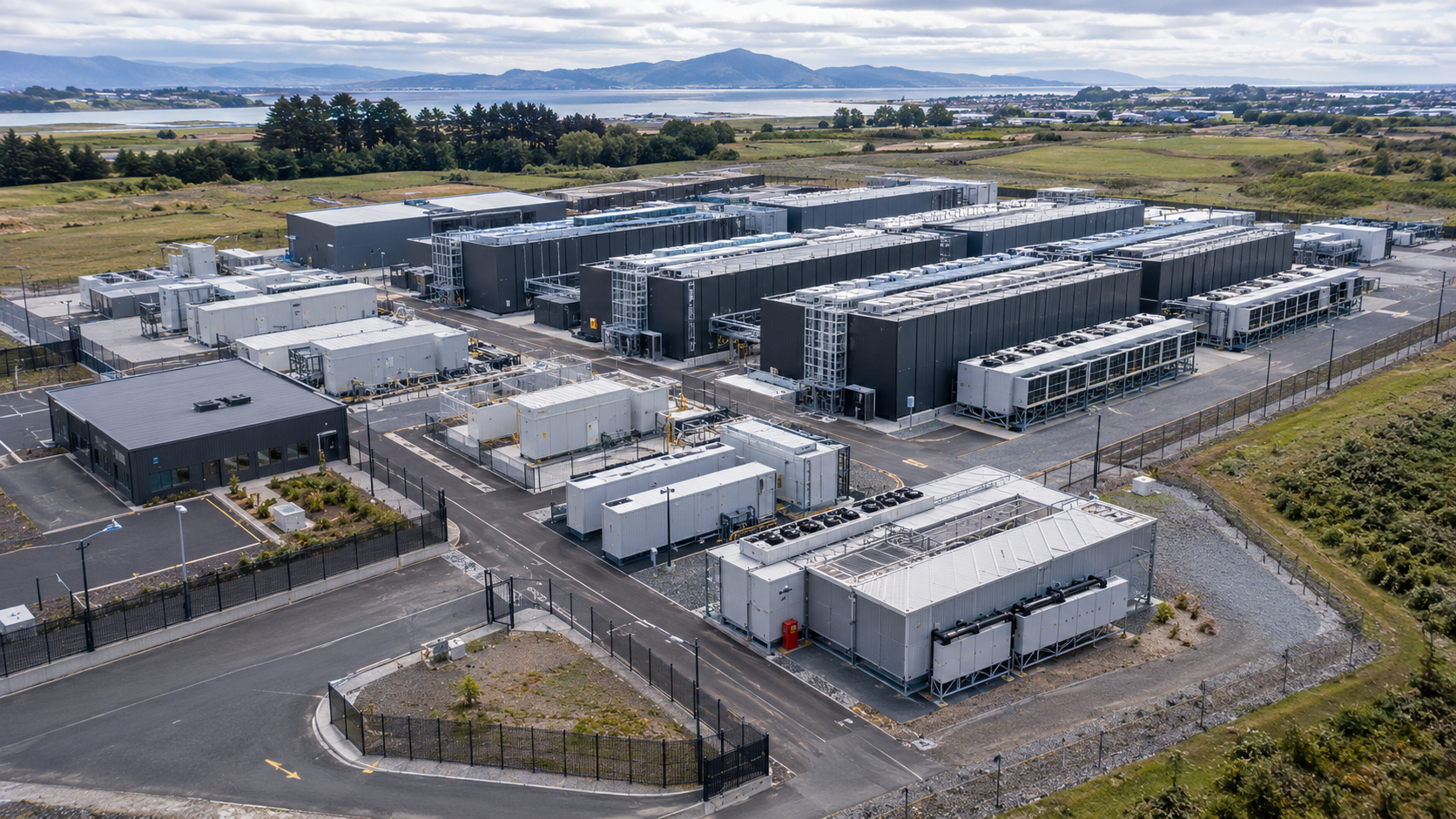
A large data centre campus needs much more than the main building that contains the IT equipment.
It also needs electrical systems, backup power, mechanical plant, security and spaces for the people who operate the site.
Many of these supporting buildings can suit modular construction.
Examples include:
- UPS and battery rooms
- switch rooms and electrical buildings
- generator enclosures
- powertrain units
- air handling and mechanical plant
- gatehouses and security buildings
- control and operations rooms
- offices and staff facilities
These buildings can be designed around the equipment they need to house, then manufactured and fitted out off-site.
While that work is underway, the developer can keep moving ahead with foundations, services, roads and other work on the data centre site.
The benefit is not simply that a building is made in a factory. The real advantage is that two parts of the construction programme can move at the same time.
2. Modular can also be used for smaller data centres
Modular construction can also play a different role.
Instead of supporting a large data centre, the modular building can form part of a smaller data centre itself.
These smaller facilities are often referred to as micro or edge data centres.
They need less space and power than a large hyperscale facility and can suit regional locations or projects where a smaller amount of computing capacity is required.
A modular approach can be useful because the design can be developed as a repeatable system. Once the building, equipment layout and service connections have been resolved, similar units can be produced for other locations without starting the design again each time.
That makes modular worth considering for smaller-scale developments where speed and repeatability are important.
Why speed to market matters
Speed is one of the biggest pressures facing data centre developers.
Customers may already be committed before the building is ready. The sooner capacity becomes available, the sooner that customer can begin using it.
Traditional construction often requires a large number of trades and activities to be coordinated on the same site.
Modular construction moves some of that work elsewhere.
A switch room, battery building or mechanical module can be manufactured while site works continue. Equipment can also be installed and, where the project allows, tested before the building is transported.
This can reduce the amount of work left to complete after the module reaches site.
For a developer working towards a fixed ready-for-service date, shortening that programme can be a major advantage.
Repeatable buildings can also simplify future stages
Data centres often contain the same type of infrastructure more than once.
If a cooling, electrical or power module has been designed successfully, the same approach may be used again across another part of the site or a later project stage.
This creates benefits beyond the first build.
The equipment layout is known. The materials are known. Maintenance requirements can be planned consistently. Project teams are also not redesigning the same type of building every time more capacity is added.
For larger developments built in stages, that repeatability can make expansion easier to plan.
The design needs to be resolved early
Modular construction works best when it is considered early.
A data centre module needs to be designed around what will go inside it.
For an electrical or power building, that may mean knowing the size and weight of the equipment, cable routes, access clearances, ventilation, fire requirements and maintenance space.
Transport also affects the design. A module still needs to travel from the factory to the site and then be lifted or positioned into place.
These decisions are much easier to deal with during feasibility and early design than once equipment has been ordered and the wider site layout has been fixed.
Early involvement also allows the modular builder, equipment suppliers, engineers and project team to work through the interfaces before manufacturing begins.
Where local modular construction can help
Data centre projects often rely on specialist equipment sourced from overseas, and lead times can affect the wider programme.
Building the surrounding modular structure in New Zealand gives the project team another option.
The module can be designed for local site conditions and New Zealand requirements while still being built around the equipment selected for the project.
Local manufacture can also make communication, factory inspections and coordination easier than relying on a fully assembled building arriving from overseas.
For complex modules, access to factory testing and commissioning is another factor that needs to be considered from the start.
A-Line's approach to data centre projects
A-Line provides modular, hybrid modular and traditional construction across New Zealand.
For data centre developments, that means modular does not need to replace the main construction method.
It can be used where it has the most value.
That may be a battery or electrical building manufactured alongside a larger data centre build. It may be a gatehouse or operations building needed early in the programme. Or it may be a smaller modular data centre designed for a regional or specialised use.
The important question is not whether the whole project should be modular.
It is which parts of the project can be moved off-site to help shorten the programme, improve repeatability and get the facility ready for use sooner.
For developers considering modular construction for a data centre project, those decisions are best made during feasibility and early design.